
Published January 3, 2019
How to Prepare Your Home This Winter!



|


USE THIS WINTER CHECKLIST TO BEST PREPARE YOUR HOME!
Did you read the title of this email and think to yourself, "I didn't even realize I was supposed to do anything to my home for the winter!" or "I've never done anything before!" DON'T WORRY! You're not alone - in fact, you're just like most people. Life gets so busy that we either forget to take some very easy yet important steps to protect our home or we're just not educated on the matter. Don't stress though, here are a few easy steps on how to make sure your home is safe this winter season!
Source: The Washington Post
Check your home’s heating and air conditioning system
Before the weather turns cold, take this time to change your filters, at the very least. It is recommend having the system inspected by a reputable HVAC contractor. Better yet, look into an annual maintenance agreement. Have the contractor check your system and make sure your heat is going to work when you need it. It’s much better to find an HVAC problem in the moderate temperatures of the fall than it is to find your furnace doesn’t work on a frigid winter day.
Paint, caulk and seal exterior wood
All of the wood trim on the exterior of your home needs to be protected from the elements. The wood used on your deck is typically a pressure-treated or rot-resistant species of wood, but the wood trim around your exterior doors and windows is just a one-inch-thick pine board that deteriorates very quickly if not protected. Replacing this trim is a big cost and pain and even professionals can struggle with making the repair look good. The best thing to do is to make sure it doesn’t rot in the first place, and that means keeping it painted and caulked. This is a job most people can do themselves if they stay on top of it. Once the wood is rotted and requires replacement, then you’re probably going to need to hire a good trim carpenter to tackle the job. So before that happens, take the time to go around your home and make sure that none of the caulk is cracking and your paint is not chipping and flaking away. If it is, scrape away the bad paint or caulk and apply fresh.

Check your drainage
Make sure the soil around your foundation hasn’t settled, creating areas for water to pool at your foundation. If you find a low spot, simply fill it in with some soil. Then go around and check your rain gutter downspouts. Make sure water is getting moved away from the home. Add downspout extenders if necessary. Saturated soil around a foundation can create real problems as it freezes and thaws throughout the winter months.
Clean your gutters
Once the leaves are pretty much off the trees, it’s time to clean those gutters. When your gutters back up, they overflow, and when they overflow, that water runs down your home, speeding up the deterioration of your exterior. It can also lead to deterioration of your foundation, water infiltration in the basement and to settling under your concrete porches and walks, which creates all kinds of problems.
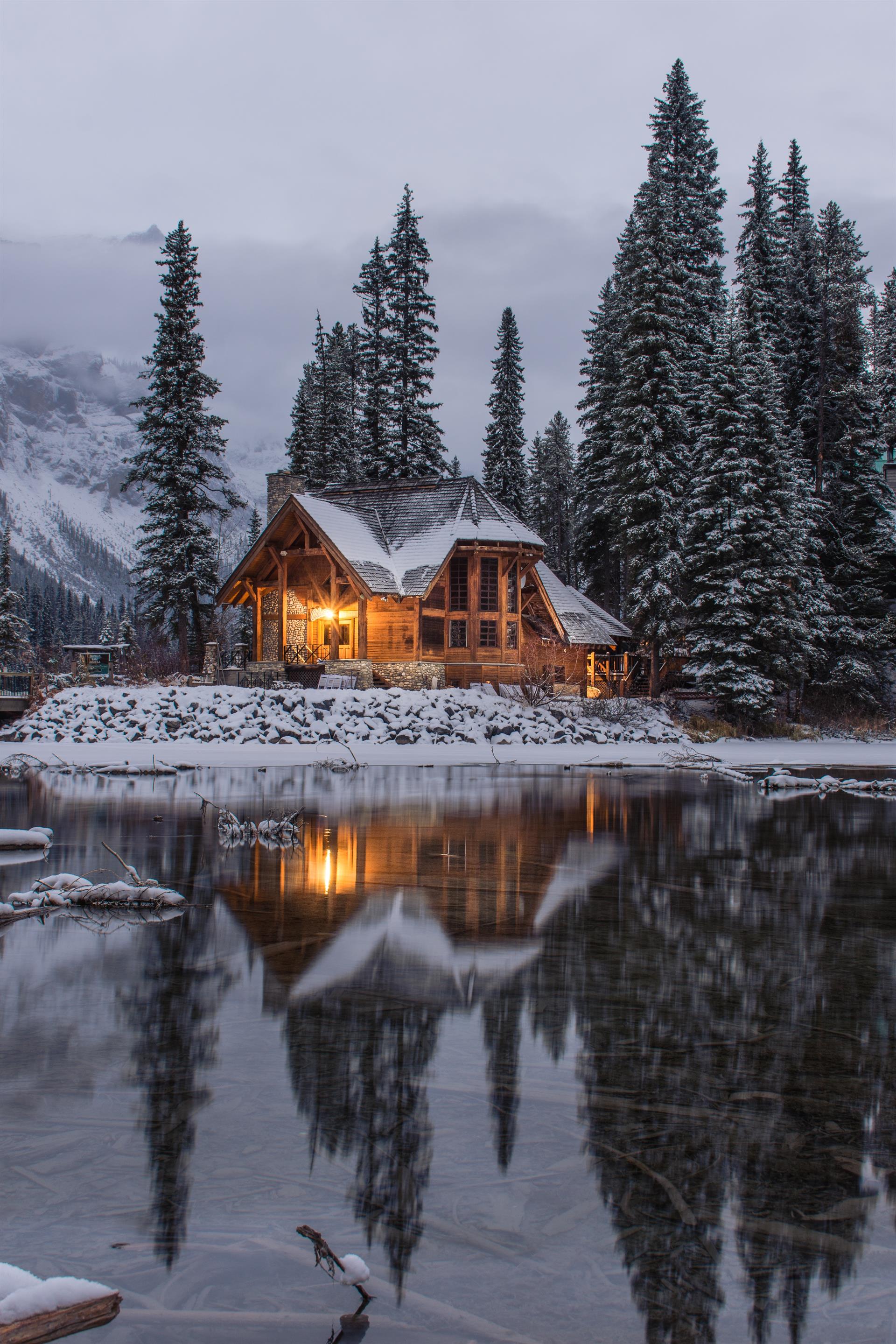
Test your smoke and carbon monoxide detectors
Winter is the time most house fires happen. It’s the time of year when we’re blasting the furnace and building fires. We are also much more likely to have our home closed up tight, so carbon monoxide is a much bigger hazard. Check all of your smoke detectors to make sure they are working and that they have good batteries. If your home is not equipped with carbon monoxide detectors, consider getting some. The HVAC inspection will also ensure your furnace and water heater are properly vented, which is the most likely source of carbon monoxide.
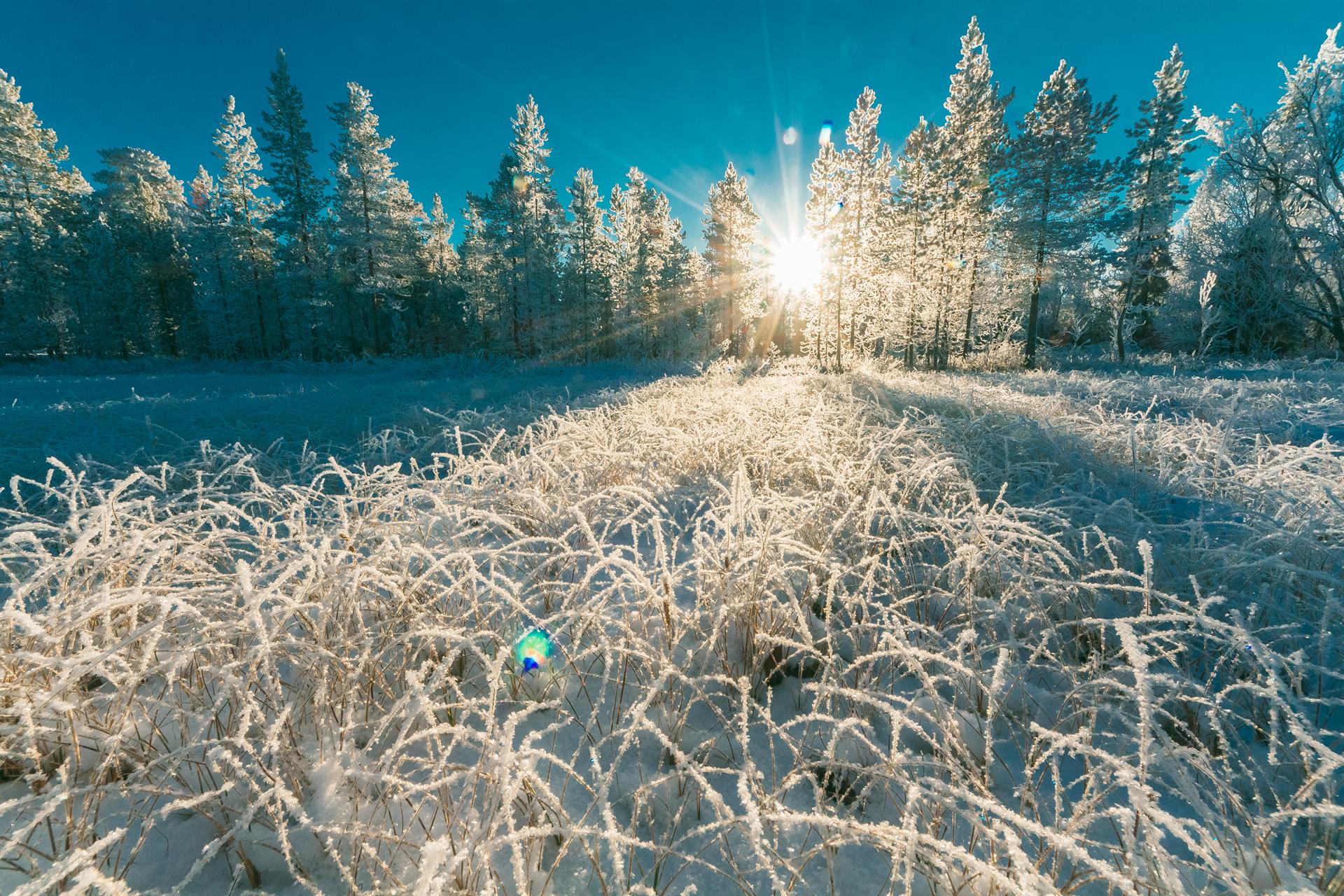
Prepare your lawn for winter and set it up for a great spring
If you want that beautiful spring lawn, you have to give it attention in the fall. New grass does not grow when it’s too hot or too cold. If you want new grass to grow, you really only have September and October, then April and May to do it. If you neglect the fall, then you’ve cut your time in half. There are differing opinions on when you should overseed. Fall is recommended. Once the heat breaks, your lawn can get some great growing time. So around late September, aerate the lawn and overseed it. Then in about late October or November, apply fertilizer with winterizer.
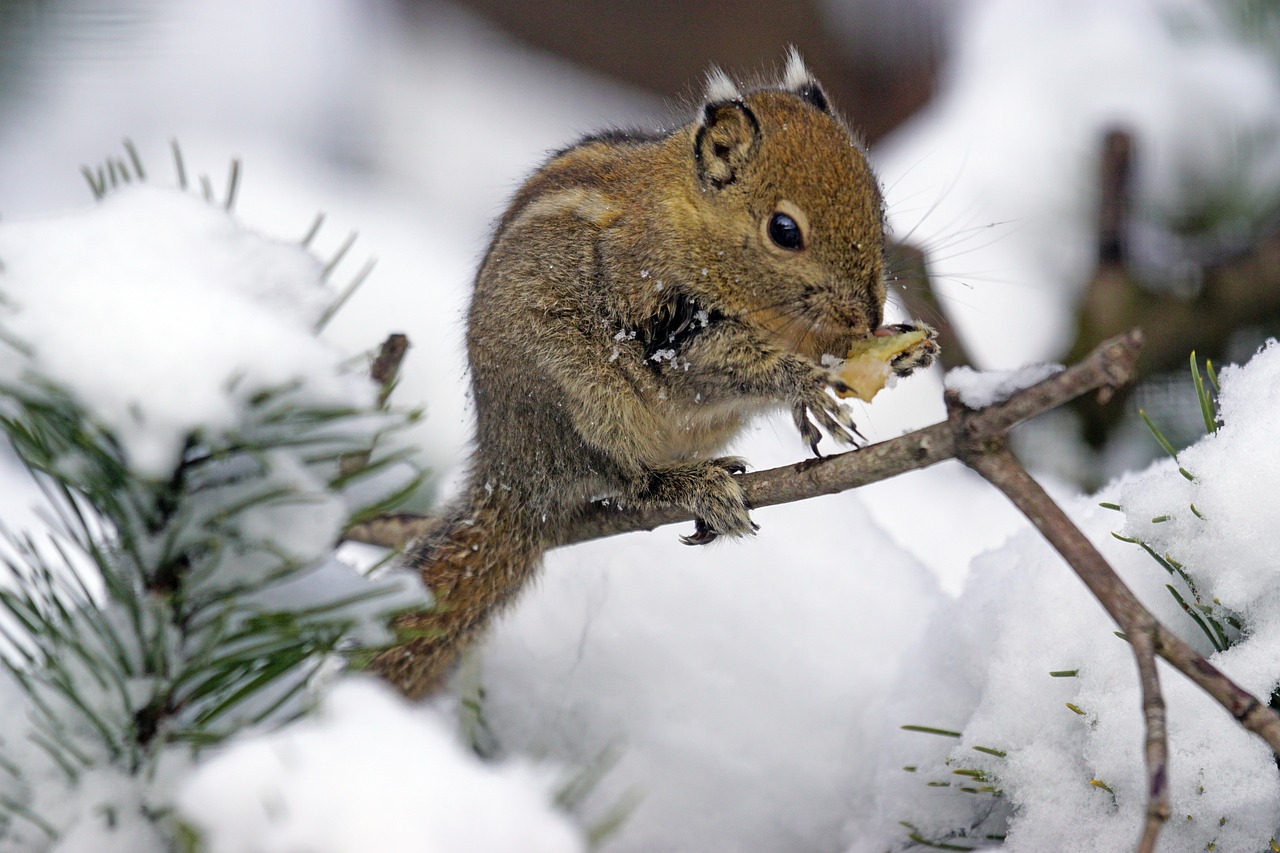
Make sure your attic doesn’t become a critter hotel
It’s going to get cold out and your attic is the perfect winter home for squirrels and birds. These critters can cause a lot of damage and potentially some heath problems. Make sure your trees are trimmed well away from the house, and make sure your gable vents are intact. It’s a good idea to tack a screen up behind your gable vent just in case. Also walk around your home and look up at your soffit and fascia. Make sure there are no holes that will allow birds to get in.
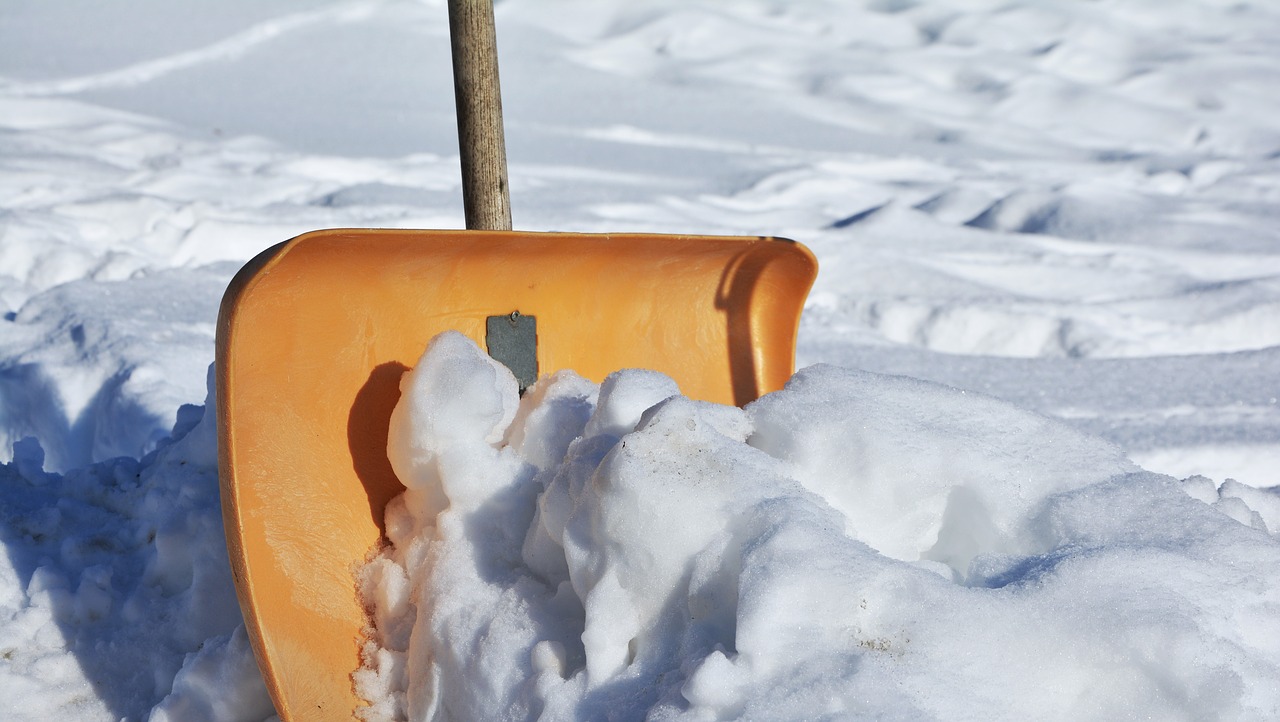
Prepare for snow removal
Dig out the snowblower and fire it up before the big one hits. Make sure it’s ready for that snowy morning. If it’s not, then get it repaired now. Also take inventory of your salt and shovel situation. You know you won’t be able to find a shovel after the big snowstorm hits.



Tom Atwood
Team Owner/CEO | The Atwood Team | Keller Williams Realty | PLACE
or another way